Cataract Surgery Cost in 2026

Typical Out-of-Pocket: With Insurance vs Without
- PPO (typical)$2,509
- HDHP (high-deductible)$3,240
- Medicare (outpatient)$506
Hospital sticker before any insurance discount.
Insurance estimates use 2025 averages from the KFF Employer Health Benefits Survey: $1,886 avg deductible, 20% hospital coinsurance, OOP max $5,000 (typical PPO) to $8,300 (HDHP statutory). Medicare uses 2025 Part A deductible ($1,676) for inpatient and Part B 20% coinsurance for outpatient (CMS). Reflects employer-sponsored insurance and Original Medicare. Excludes Medicaid, ACA marketplace, and short-term plans. Real OOP varies by plan, network, and state.
On Medicare? See our dedicated Cataract Surgery Medicare cost breakdown with Original Medicare vs Medicare Advantage OOP and CMS facility-level reimbursement data by state.
What to Know About Cataract Surgery Costs
- National average: $5,000 (range: $3,500–$7,000)
- Insurance: Usually Covered — Standard cataract surgery is covered by Medicare and most insurance. Premium...
- Recovery: 2–7 days typical downtime
- Biggest cost driver: Facility type — outpatient centers can be 30–50% less than hospitals
Cataract surgery replaces your eye's clouded natural lens with an artificial one, restoring clearer vision. Prevalence of cataracts is high, affecting nearly 20 million Americans in 2021. This common procedure can significantly improve quality of life for those experiencing blurred or distorted vision.
Facility fees and surgeon's fees contribute significantly to the overall cost. The type of intraocular lens (IOL) you choose also impacts the price, with advanced lenses costing more than basic ones. These factors, combined with anesthesia and post-operative care, determine the final expense.
Consider having your procedure performed at an Ambulatory Surgery Center (ASC) rather than a hospital outpatient department, as ASCs often have lower facility fees. This shift has been growing in popularity over the last 20 years. For vision correction without cataracts, LASIK reshapes the cornea and is typically an elective procedure not covered by insurance. Confirm all costs with your provider before scheduling.
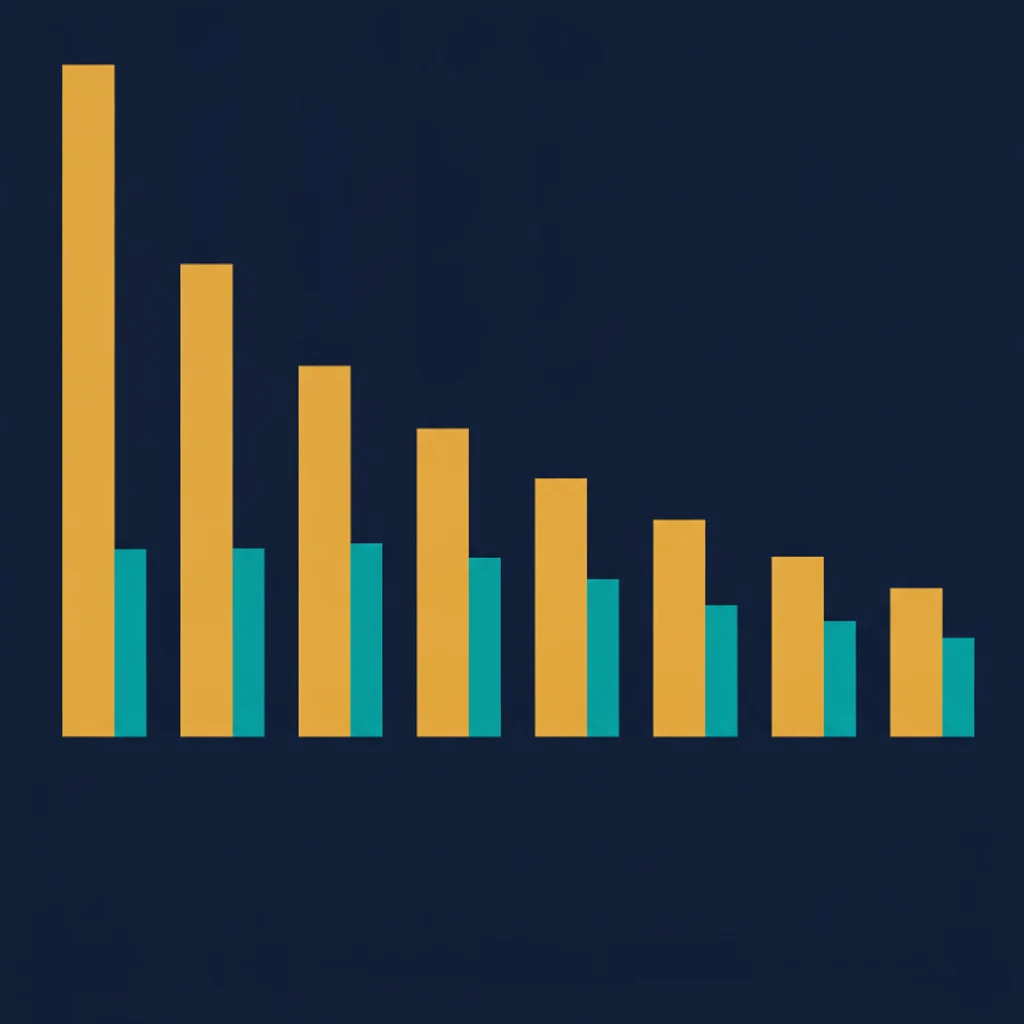
Where does your money go?
Typical allocation for a cataract surgery procedure at the national average price point.
Cataract Surgery Guides
-
 Guide
GuideDoes Medicare Cover Laser Cataract Surgery? What the Laser Fee Buys
Medicare pays the same for cataract surgery with a blade or a laser, and the laser can't be billed to you for the covered steps. Here is what a $1,000+ laser fee can legally pay for.
Read the guide -
 Guide
GuideThe Most Overpriced Medical Procedures: CMS Markup Data
CMS data from 17,000+ hospitals shows hernia repair bills 8.9x Medicare's actual payment — while open-heart surgery 'only' 5.7x. Here's what the markup ranking reveals.
Read the guide -
 Guide
GuideDo High-Volume Hospitals Charge Less for Surgery?
We checked 1,310 hospitals in Medicare's data: how many knee replacements a hospital does barely predicts what it bills. The sticker is nearly random.
Read the guide
Cataract Surgery Cost by State
What a hospital bills for the same surgery varies enormously — by region, by facility, and by each hospital's pricing practices. The map below shows real, hospital-level charges from CMS Medicare data.
Cataract Surgery Cost in All 50 States
Real median billed charge by state, from CMS Medicare data — sortable. An asterisk (*) marks states with few reporting hospitals, where the median is less reliable.
Show all 50 states (sortable) Hide all 50 states
| State ▲▼ | Median billed ▲▼ | vs National ▲▼ | |
|---|---|---|---|
| Alabama | $9,730 · 36 hosp. | -20% | |
|
|||
| Alaska | $7,982 · 4 hosp. * | -34% | |
|
|||
| Arizona | $15,688 · 9 hosp. | +30% | |
|
|||
| Arkansas | $9,072 · 12 hosp. | -25% | |
|
|||
| California | $18,204 · 122 hosp. | +51% | |
|
|||
| Colorado | $11,530 · 14 hosp. | -5% | |
|
|||
| Connecticut | $10,713 · 18 hosp. | -11% | |
|
|||
| Delaware | $9,682 · 2 hosp. * | -20% | |
|
|||
| District of Columbia | $16,602 · 3 hosp. * | +37% | |
|
|||
| Florida | $23,141 · 42 hosp. | +91% | |
|
|||
| Georgia | $17,269 · 47 hosp. | +43% | |
|
|||
| Hawaii | $10,221 · 4 hosp. * | -15% | |
|
|||
| Idaho | $15,617 · 6 hosp. | +29% | |
|
|||
| Illinois | $15,491 · 82 hosp. | +28% | |
|
|||
| Indiana | $15,210 · 33 hosp. | +26% | |
|
|||
| Iowa | $9,229 · 18 hosp. | -24% | |
|
|||
| Kansas | $7,850 · 25 hosp. | -35% | |
|
|||
| Kentucky | $11,340 · 34 hosp. | -6% | |
|
|||
| Louisiana | $13,570 · 35 hosp. | +12% | |
|
|||
| Maine | $11,594 · 9 hosp. | -4% | |
|
|||
| Maryland | No CMS data | — | |
|
|||
| Massachusetts | $6,999 · 26 hosp. | -42% | |
|
|||
| Michigan | $9,050 · 61 hosp. | -25% | |
|
|||
| Minnesota | $9,688 · 31 hosp. | -20% | |
|
|||
| Mississippi | $10,817 · 15 hosp. | -11% | |
|
|||
| Missouri | $10,931 · 34 hosp. | -10% | |
|
|||
| Montana | $6,557 · 7 hosp. | -46% | |
|
|||
| Nebraska | $12,396 · 7 hosp. | +3% | |
|
|||
| Nevada | $33,478 · 6 hosp. | +177% | |
|
|||
| New Hampshire | $11,665 · 6 hosp. | -4% | |
|
|||
| New Jersey | $19,189 · 26 hosp. | +59% | |
|
|||
| New Mexico | $13,766 · 5 hosp. | +14% | |
|
|||
| New York | $10,678 · 80 hosp. | -12% | |
|
|||
| North Carolina | $11,189 · 59 hosp. | -7% | |
|
|||
| North Dakota | $7,951 · 5 hosp. | -34% | |
|
|||
| Ohio | $10,964 · 52 hosp. | -9% | |
|
|||
| Oklahoma | $12,808 · 34 hosp. | +6% | |
|
|||
| Oregon | $12,855 · 12 hosp. | +6% | |
|
|||
| Pennsylvania | $11,101 · 70 hosp. | -8% | |
|
|||
| Rhode Island | $6,995 · 4 hosp. * | -42% | |
|
|||
| South Carolina | $14,700 · 18 hosp. | +22% | |
|
|||
| South Dakota | $8,515 · 9 hosp. | -30% | |
|
|||
| Tennessee | $12,267 · 29 hosp. | +1% | |
|
|||
| Texas | $13,632 · 82 hosp. | +13% | |
|
|||
| Utah | $7,135 · 18 hosp. | -41% | |
|
|||
| Vermont | $7,655 · 5 hosp. | -37% | |
|
|||
| Virginia | $14,186 · 27 hosp. | +17% | |
|
|||
| Washington | $11,304 · 18 hosp. | -7% | |
|
|||
| West Virginia | $10,691 · 15 hosp. | -12% | |
|
|||
| Wisconsin | $10,409 · 47 hosp. | -14% | |
|
|||
| Wyoming | $7,044 · 3 hosp. * | -42% | |
|
|||
Real Hospital Charges (CMS Medicare Data)
Across 1,366 hospitals and surgery centers in the CMS Medicare data for cataract surgery, average billed charges range from $2,231 to $184,166, with a national median of $12,090. The table below lists the highest-volume facilities by reported case count.
| Hospital | Location | Avg Billed Charge | Avg Medicare Payment |
|---|---|---|---|
| Massachusetts Eye And Ear Infirmary - | Boston, MA | $7,552 | $2,484 |
| Cleveland Clinic | Cleveland, OH | $8,362 | $1,720 |
| Fresno Surgical Hospital | Fresno, CA | $10,928 | $2,131 |
| New York-Presbyterian Hospital | New York, NY | $20,456 | $2,366 |
| Northshore University Healthsystem Evanston Hosp | Evanston, IL | $16,553 | $1,830 |
| N Y Eye And Ear Infirmary | New York, NY | $12,988 | $2,365 |
| Riverside Regional Medical Center | Newport News, VA | $9,880 | $1,660 |
| University Of Michigan Health | Ann Arbor, MI | $22,633 | $1,951 |
| Univ Of Miami Hospital And Clinics-Sylvester Compr | Miami, FL | $26,470 | $1,874 |
| Ronald Reagan Ucla Medical Center | Los Angeles, CA | $12,050 | $2,536 |
| Lincoln Surgical Hospital | Lincoln, NE | $5,467 | $1,772 |
| Uab Callahan Eye Hospital Authority | Birmingham, AL | $12,744 | $1,969 |
| Willis Knighton Medical Center, Inc | Shreveport, LA | $13,570 | $1,665 |
| Lenox Hill Hospital | New York, NY | $17,409 | $2,360 |
| Mayo Clinic Hospital Rochester | Rochester, MN | $13,066 | $1,938 |
| Wills Eye Hospital | Philadelphia, PA | $10,834 | $2,567 |
| University Of Utah Hospitals And Clinics | Salt Lake City, UT | $7,988 | $1,871 |
| Nyu Langone Hospitals | New York, NY | $37,406 | $2,336 |
| Carolina East Medical Center | New Bern, NC | $7,743 | $1,842 |
| University Of Colorado Hospital Authority | Aurora, CO | $12,975 | $1,995 |
Billed charges are a hospital's list price and are typically far higher than what is actually paid. The Avg Medicare Payment column shows what Medicare actually reimbursed for the same procedure at that facility.
Source: CMS Medicare Provider Utilization and Payment Data (2023).
Primary Pricing Factors
Three variables explain most of the cost variation you'll see across the same procedure.
Recovery Timeline
Recovery takes time. Knowing the phases helps you plan time off work and set expectations.
Cataract surgery is a quick outpatient procedure with a relatively short recovery period. Before the surgery, you'll have a consultation with your ophthalmologist, including eye measurements and a discussion of IOL options. You may need to temporarily stop taking certain medications, like blood thinners, beforehand. On the day of the surgery, which typically lasts 15-30 minutes, you'll receive local anesthesia to numb your eye. The clouded lens will be removed and replaced with an artificial lens.
Immediately after surgery, you'll need someone to drive you home, so be sure to arrange transportation in advance. You'll likely experience blurry vision for the first 24-48 hours, and your eye may feel scratchy or sensitive. Full recovery usually takes between 2 and 7 days. Most people can return to work within a few days, but you should plan to take it easy. You'll have follow-up appointments to monitor your progress, and your vision should gradually improve over the following weeks.
Paying for Cataract Surgery
Usually Covered by InsuranceStandard cataract surgery is covered by Medicare and most insurance. Premium IOLs and laser-assisted upgrades are out-of-pocket.
Financing Options
- Promotional financing — CareCredit's 24-month 0% APR plan is the most common way patients finance cataract surgery
- Provider installment plans — many practices let you start payments before surgery and continue after, spreading out the cost
- Tax-advantaged accounts — paying $5,000 through your HSA/FSA saves you 20-35% versus after-tax dollars
- Cash discounts — surgeons prefer upfront payment and often reduce the price by 10-20% for cash-pay patients
- Charitable care programs — some nonprofit surgical organizations offer reduced-cost procedures for qualifying patients