Heart Bypass Surgery (CABG) Cost in 2026

Typical Out-of-Pocket: With Insurance vs Without
- PPO (typical)$5,000
- HDHP (high-deductible)$8,300
- Medicare (inpatient)$1,676
Hospital sticker before any insurance discount.
Insurance estimates use 2025 averages from the KFF Employer Health Benefits Survey: $1,886 avg deductible, 20% hospital coinsurance, OOP max $5,000 (typical PPO) to $8,300 (HDHP statutory). Medicare uses 2025 Part A deductible ($1,676) for inpatient and Part B 20% coinsurance for outpatient (CMS). Reflects employer-sponsored insurance and Original Medicare. Excludes Medicaid, ACA marketplace, and short-term plans. Real OOP varies by plan, network, and state.
What to Know About Heart Bypass Surgery (CABG) Costs
- National average: $120,000 (range: $70,000–$200,000)
- Insurance: Usually Covered — CABG is covered by Medicare and all major insurance as medically necessary...
- Recovery: 42–90 days typical downtime
- Biggest cost driver: Facility type — outpatient centers can be 30–50% less than hospitals
Coronary artery bypass grafting (CABG) restores blood flow to the heart by grafting healthy vessels around blocked arteries. It's typically recommended for individuals with severe coronary artery disease. Approximately 340,000 CABG procedures are performed annually in the US.
The most significant cost drivers are the hospital stay, operating room fees, and the surgeon's fee. The cost of implants and supplies also contributes substantially to the overall expense.
Consider if you are a candidate for robotic-assisted CABG, which may reduce your hospital stay and lead to cost savings. Also, if you have multivessel disease, CABG as an initial treatment has been found to be less expensive and more effective than initial angioplasty with stenting. Heart bypass is one of the most common forms of open heart surgery — see our broader guide for other cardiac procedures. Confirm all costs with your provider before scheduling.
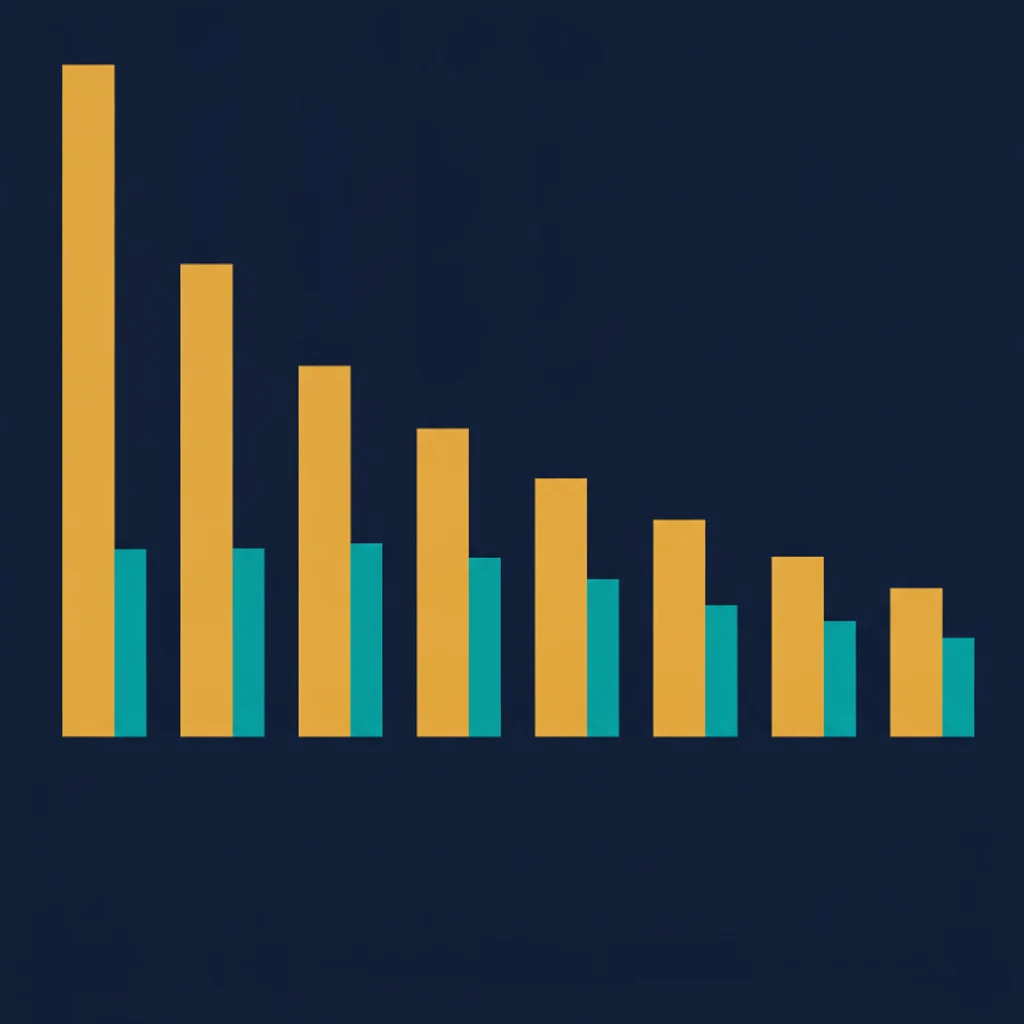
Where does your money go?
Typical allocation for a heart bypass surgery (cabg) procedure at the national average price point.
Heart Bypass Surgery (CABG) Guides
-
 Guide
GuideThe Most Overpriced Medical Procedures: CMS Markup Data
CMS data from 17,000+ hospitals shows hernia repair bills 8.9x Medicare's actual payment — while open-heart surgery 'only' 5.7x. Here's what the markup ranking reveals.
Read the guide -
 Guide
GuideDo High-Volume Hospitals Charge Less for Surgery?
We checked 1,310 hospitals in Medicare's data: how many knee replacements a hospital does barely predicts what it bills. The sticker is nearly random.
Read the guide
Heart Bypass Surgery (CABG) Cost by State
What a hospital bills for the same surgery varies enormously — by region, by facility, and by each hospital's pricing practices. The map below shows real, hospital-level charges from CMS Medicare data.
Heart Bypass Surgery (CABG) Cost in All 50 States
Real median billed charge by state, from CMS Medicare data — sortable. An asterisk (*) marks states with few reporting hospitals, where the median is less reliable.
Show all 50 states (sortable) Hide all 50 states
| State ▲▼ | Median billed ▲▼ | vs National ▲▼ | |
|---|---|---|---|
| Alabama | $230,841 · 14 hosp. | +6% | |
|
|||
| Alaska | $326,533 · 1 hosp. * | +49% | |
|
|||
| Arizona | $232,256 · 19 hosp. | +6% | |
|
|||
| Arkansas | $156,442 · 9 hosp. | -28% | |
|
|||
| California | $388,498 · 48 hosp. | +78% | |
|
|||
| Colorado | $291,586 · 4 hosp. * | +33% | |
|
|||
| Connecticut | $191,891 · 6 hosp. | -12% | |
|
|||
| Delaware | $141,465 · 2 hosp. * | -35% | |
|
|||
| District of Columbia | $273,089 · 2 hosp. * | +25% | |
|
|||
| Florida | $301,892 · 56 hosp. | +38% | |
|
|||
| Georgia | $225,332 · 17 hosp. | +3% | |
|
|||
| Hawaii | $179,881 · 2 hosp. * | -18% | |
| Idaho | $195,858 · 3 hosp. * | -10% | |
|
|||
| Illinois | $213,167 · 29 hosp. | -2% | |
|
|||
| Indiana | $203,164 · 19 hosp. | -7% | |
|
|||
| Iowa | $201,438 · 7 hosp. | -8% | |
|
|||
| Kansas | $193,867 · 7 hosp. | -11% | |
|
|||
| Kentucky | $209,856 · 12 hosp. | -4% | |
|
|||
| Louisiana | $188,383 · 12 hosp. | -14% | |
|
|||
| Maine | $188,149 · 2 hosp. * | -14% | |
|
|||
| Maryland | $65,725 · 10 hosp. | -70% | |
|
|||
| Massachusetts | $142,160 · 11 hosp. | -35% | |
|
|||
| Michigan | $161,223 · 20 hosp. | -26% | |
|
|||
| Minnesota | $169,390 · 10 hosp. | -22% | |
|
|||
| Mississippi | $142,588 · 8 hosp. | -35% | |
|
|||
| Missouri | $170,515 · 13 hosp. | -22% | |
|
|||
| Montana | $127,812 · 4 hosp. * | -42% | |
|
|||
| Nebraska | $226,049 · 7 hosp. | +3% | |
|
|||
| Nevada | $531,591 · 7 hosp. | +143% | |
|
|||
| New Hampshire | $224,715 · 4 hosp. * | +3% | |
|
|||
| New Jersey | $259,341 · 10 hosp. | +19% | |
|
|||
| New Mexico | $243,252 · 3 hosp. * | +11% | |
|
|||
| New York | $245,014 · 24 hosp. | +12% | |
|
|||
| North Carolina | $179,810 · 18 hosp. | -18% | |
|
|||
| North Dakota | $130,932 · 4 hosp. * | -40% | |
|
|||
| Ohio | $224,137 · 23 hosp. | +3% | |
|
|||
| Oklahoma | $265,103 · 6 hosp. | +21% | |
|
|||
| Oregon | $193,790 · 9 hosp. | -11% | |
|
|||
| Pennsylvania | $219,971 · 32 hosp. | +1% | |
|
|||
| Rhode Island | $133,212 · 1 hosp. * | -39% | |
|
|||
| South Carolina | $226,788 · 13 hosp. | +4% | |
|
|||
| South Dakota | $175,098 · 3 hosp. * | -20% | |
|
|||
| Tennessee | $188,867 · 18 hosp. | -14% | |
|
|||
| Texas | $288,513 · 52 hosp. | +32% | |
|
|||
| Utah | $178,894 · 5 hosp. | -18% | |
|
|||
| Vermont | $120,339 · 1 hosp. * | -45% | |
|
|||
| Virginia | $194,742 · 18 hosp. | -11% | |
|
|||
| Washington | $229,462 · 15 hosp. | +5% | |
|
|||
| West Virginia | $180,100 · 5 hosp. | -18% | |
|
|||
| Wisconsin | $142,595 · 13 hosp. | -35% | |
|
|||
| Wyoming | No CMS data | — | |
|
|||
Real Hospital Charges (CMS Medicare Data)
Across 638 hospitals and surgery centers in the CMS Medicare data for heart bypass surgery (cabg), average billed charges range from $54,363 to $1,244,745, with a national median of $218,498. The table below lists the highest-volume facilities by reported case count.
| Hospital | Location | Avg Billed Charge | Avg Medicare Payment |
|---|---|---|---|
| Oklahoma Heart Hospital, Llc | Oklahoma City, OK | $167,289 | $28,602 |
| Ascension Saint Thomas Hospital | Nashville, TN | $214,803 | $34,006 |
| Methodist Hospital | Omaha, NE | $298,380 | $34,433 |
| Medstar Washington Hospital Center | Washington, DC | $198,836 | $48,380 |
| Arkansas Heart Hospital, Llc | Little Rock, AR | $94,660 | $25,693 |
| St Francis Hospital, Roslyn | Roslyn, NY | $262,782 | $39,538 |
| Sentara Norfolk General Hospital | Norfolk, VA | $194,583 | $39,068 |
| Charleston Area Medical Center | Charleston, WV | $246,258 | $33,832 |
| Morristown Medical Center | Morristown, NJ | $268,883 | $40,956 |
| Sarasota Memorial Hospital | Sarasota, FL | $269,267 | $30,929 |
| Cleveland Clinic | Cleveland, OH | $226,239 | $39,969 |
| Baylor Sott & White The Heart Hospital Plano | Plano, TX | $152,746 | $27,842 |
| Robert Wood Johnson University Hospital | New Brunswick, NJ | $319,346 | $44,288 |
| University Of Alabama Hospital | Birmingham, AL | $228,538 | $34,270 |
| Brigham And Women's Hospital | Boston, MA | $287,566 | $58,384 |
| Mayo Clinic Hospital Rochester | Rochester, MN | $195,915 | $54,781 |
| Lankenau Medical Center | Wynnewood, PA | $204,351 | $36,662 |
| Memorial Mission Hospital And Asheville Surgery Ce | Asheville, NC | $233,478 | $35,572 |
| St Lukes Hospital | Cedar Rapids, IA | $130,577 | $28,493 |
| Jersey Shore University Medical Center | Neptune, NJ | $209,881 | $32,713 |
Billed charges are a hospital's list price and are typically far higher than what is actually paid. The Avg Medicare Payment column shows what Medicare actually reimbursed for the same procedure at that facility.
Source: CMS Medicare Provider Utilization and Payment Data (2023).
Primary Pricing Factors
Three variables explain most of the cost variation you'll see across the same procedure.
Recovery Timeline
Recovery takes time. Knowing the phases helps you plan time off work and set expectations.
Before your heart bypass surgery, you'll have consultations with your cardiologist and surgeon, plus tests like blood work, an EKG, and chest X-ray. You'll need to stop taking certain medications, like blood thinners, a week or so beforehand, and your doctor might have you start new ones. On the day of surgery, you'll be given general anesthesia, so you’ll be asleep during the 3- to 6-hour procedure. The surgeon will take healthy blood vessels from your leg, arm, or chest and use them to create new routes around the blockages in your heart.
In the first 24-48 hours after surgery, expect to be in the intensive care unit (ICU) for close monitoring. You'll likely have tubes for breathing, fluids, and drainage. Full recovery takes 6-12 weeks. Plan on needing help at home initially. You'll gradually increase your activity level, but fatigue is common. Don't forget to arrange for someone to drive you home from the hospital and take significant time off work. Regular follow-up appointments with your doctor are essential to monitor your progress and manage any complications.
Paying for Heart Bypass Surgery (CABG)
Usually Covered by InsuranceCABG is covered by Medicare and all major insurance as medically necessary for coronary artery disease.
Financing Options
- Promotional financing — CareCredit's 24-month 0% APR plan is the most common way patients finance heart bypass surgery (cabg)
- Provider installment plans — many practices let you start payments before surgery and continue after, spreading out the cost
- Tax-advantaged accounts — paying $120,000 through your HSA/FSA saves you 20-35% versus after-tax dollars
- Cash discounts — surgeons prefer upfront payment and often reduce the price by 10-20% for cash-pay patients
- Charitable care programs — some nonprofit surgical organizations offer reduced-cost procedures for qualifying patients