Hernia Repair Surgery Cost in 2026

Typical Out-of-Pocket: With Insurance vs Without
- PPO (typical)$2,909
- HDHP (high-deductible)$3,640
- Medicare (inpatient)$1,676
Hospital sticker before any insurance discount.
Insurance estimates use 2025 averages from the KFF Employer Health Benefits Survey: $1,886 avg deductible, 20% hospital coinsurance, OOP max $5,000 (typical PPO) to $8,300 (HDHP statutory). Medicare uses 2025 Part A deductible ($1,676) for inpatient and Part B 20% coinsurance for outpatient (CMS). Reflects employer-sponsored insurance and Original Medicare. Excludes Medicaid, ACA marketplace, and short-term plans. Real OOP varies by plan, network, and state.
What to Know About Hernia Repair Surgery Costs
- National average: $7,000 (range: $3,000–$15,000)
- Insurance: Usually Covered — Hernia repair is covered as medically necessary by most insurance plans.
- Recovery: 7–42 days typical downtime
- Biggest cost driver: Facility type — outpatient centers can be 30–50% less than hospitals
Hernia repair surgery corrects a bulge that occurs when an organ or tissue pushes through a weak spot in muscle or tissue. Inguinal hernia repair is one of the most common operations performed by general surgeons in the U.S., with over 750,000 procedures done annually.
Facility fees, surgeon fees, and anesthesia costs drive the total price, as these three elements alone can account for more than half of the overall expense. The use of surgical mesh, which reduces the likelihood of recurrence by 60%, also adds to the total cost.
Choosing an Ambulatory Surgery Center (ASC) over a hospital for your procedure can significantly lower expenses. ASC negotiated rates are often substantially lower than those at hospitals. Like hernia repair, gallbladder removal is commonly performed laparoscopically at outpatient surgery centers for lower costs. Confirm all costs with your provider before scheduling.
Where does your money go?
Typical allocation for a hernia repair surgery procedure at the national average price point.
Hernia Repair Surgery Guides
-
 Guide
GuideHernia Surgery Cost by State: 2026 CMS Data from 2,220 Hospitals
CMS outpatient data from 2,220 hospitals shows hernia surgery averages $2,410 in Vermont vs. $6,954 in California — and billed charges diverge far wider for uninsured patients in Florida and Nevada.
Read the guide -
 Guide
GuideThe Most Overpriced Medical Procedures: CMS Markup Data
CMS data from 17,000+ hospitals shows hernia repair bills 8.9x Medicare's actual payment — while open-heart surgery 'only' 5.7x. Here's what the markup ranking reveals.
Read the guide
Hernia Repair Surgery Cost by State
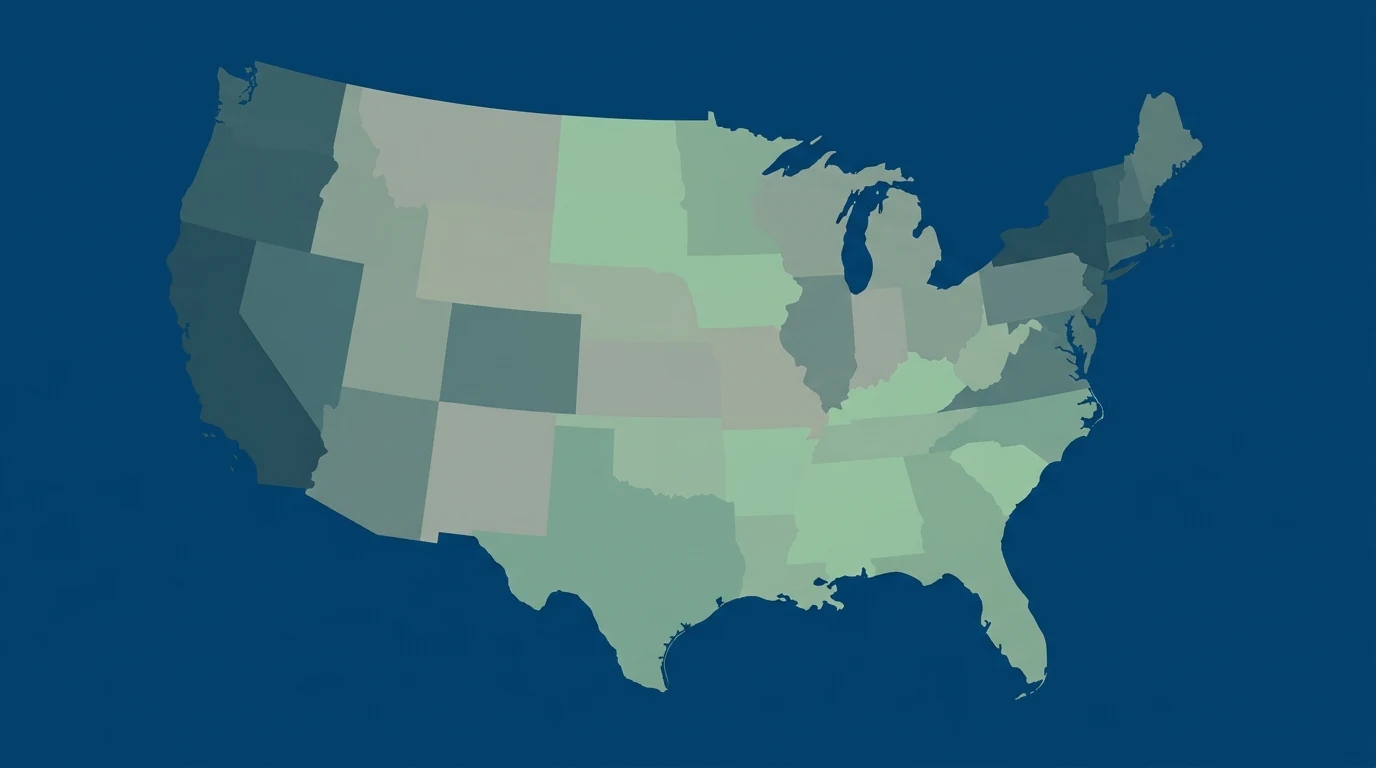
What a hospital bills for the same surgery varies enormously — by region, by facility, and by each hospital's pricing practices. The map below shows real, hospital-level charges from CMS Medicare data.
Hernia Repair Surgery Cost in All 50 States
Real median billed charge by state, from CMS Medicare data — sortable. An asterisk (*) marks states with few reporting hospitals, where the median is less reliable.
Show all 50 states (sortable) Hide all 50 states
| State ▲▼ | Median billed ▲▼ | vs National ▲▼ | |
|---|---|---|---|
| Alabama | $33,192 · 41 hosp. | -9% | |
|
|||
| Alaska | $40,675 · 6 hosp. | +11% | |
|
|||
| Arizona | $56,938 · 44 hosp. | +55% | |
|
|||
| Arkansas | $23,070 · 28 hosp. | -37% | |
|
|||
| California | $57,672 · 176 hosp. | +57% | |
|
|||
| Colorado | $45,910 · 41 hosp. | +25% | |
|
|||
| Connecticut | $31,021 · 23 hosp. | -15% | |
|
|||
| Delaware | $29,024 · 6 hosp. | -21% | |
|
|||
| District of Columbia | $50,063 · 4 hosp. * | +37% | |
|
|||
| Florida | $68,595 · 142 hosp. | +87% | |
|
|||
| Georgia | $42,115 · 68 hosp. | +15% | |
|
|||
| Hawaii | $28,416 · 11 hosp. | -22% | |
|
|||
| Idaho | $28,539 · 15 hosp. | -22% | |
|
|||
| Illinois | $39,721 · 88 hosp. | +8% | |
|
|||
| Indiana | $46,890 · 53 hosp. | +28% | |
|
|||
| Iowa | $26,578 · 25 hosp. | -27% | |
|
|||
| Kansas | $26,465 · 35 hosp. | -28% | |
|
|||
| Kentucky | $29,594 · 42 hosp. | -19% | |
|
|||
| Louisiana | $32,935 · 48 hosp. | -10% | |
|
|||
| Maine | $26,074 · 13 hosp. | -29% | |
|
|||
| Maryland | $37,843 · 1 hosp. * | +3% | |
|
|||
| Massachusetts | $19,614 · 47 hosp. | -46% | |
|
|||
| Michigan | $28,831 · 74 hosp. | -21% | |
|
|||
| Minnesota | $23,317 · 42 hosp. | -36% | |
|
|||
| Mississippi | $20,973 · 35 hosp. | -43% | |
|
|||
| Missouri | $28,531 · 53 hosp. | -22% | |
|
|||
| Montana | $27,025 · 11 hosp. | -26% | |
|
|||
| Nebraska | $28,788 · 19 hosp. | -21% | |
|
|||
| Nevada | $83,418 · 17 hosp. | +128% | |
|
|||
| New Hampshire | $36,705 · 11 hosp. | 0% | |
|
|||
| New Jersey | $39,045 · 48 hosp. | +7% | |
|
|||
| New Mexico | $38,018 · 17 hosp. | +4% | |
|
|||
| New York | $25,423 · 92 hosp. | -31% | |
|
|||
| North Carolina | $32,885 · 65 hosp. | -10% | |
|
|||
| North Dakota | $23,782 · 6 hosp. | -35% | |
|
|||
| Ohio | $33,956 · 92 hosp. | -7% | |
|
|||
| Oklahoma | $33,999 · 40 hosp. | -7% | |
|
|||
| Oregon | $33,925 · 28 hosp. | -7% | |
|
|||
| Pennsylvania | $35,348 · 104 hosp. | -4% | |
|
|||
| Rhode Island | $18,629 · 9 hosp. | -49% | |
|
|||
| South Carolina | $41,104 · 43 hosp. | +12% | |
|
|||
| South Dakota | $25,792 · 14 hosp. | -30% | |
|
|||
| Tennessee | $32,541 · 56 hosp. | -11% | |
|
|||
| Texas | $45,017 · 178 hosp. | +23% | |
|
|||
| Utah | $26,025 · 25 hosp. | -29% | |
|
|||
| Vermont | $18,817 · 6 hosp. | -49% | |
|
|||
| Virginia | $36,520 · 62 hosp. | 0% | |
|
|||
| Washington | $46,288 · 37 hosp. | +26% | |
|
|||
| West Virginia | $30,336 · 19 hosp. | -17% | |
|
|||
| Wisconsin | $31,242 · 54 hosp. | -15% | |
|
|||
| Wyoming | $24,663 · 8 hosp. | -33% | |
|
|||
Real Hospital Charges (CMS Medicare Data)
Across 2,222 hospitals and surgery centers in the CMS Medicare data for hernia repair surgery, average billed charges range from $6,587 to $222,236, with a national median of $36,658. The table below lists the highest-volume facilities by reported case count.
| Hospital | Location | Avg Billed Charge | Avg Medicare Payment |
|---|---|---|---|
| New York-Presbyterian Hospital | New York, NY | $47,333 | $7,965 |
| Mayo Clinic Hospital Rochester | Rochester, MN | $41,769 | $6,127 |
| Methodist Hospital | Omaha, NE | $40,068 | $5,687 |
| Nyu Langone Hospitals | New York, NY | $99,769 | $7,554 |
| Adventhealth Orlando | Orlando, FL | $103,513 | $5,794 |
| Massachusetts General Hospital | Boston, MA | $44,629 | $6,502 |
| Memorial Hospital For Cancer And Allied Diseases | New York, NY | $44,770 | $7,186 |
| Northeast Georgia Medical Center, Inc | Gainesville, GA | $59,000 | $4,969 |
| Northshore University Healthsystem Evanston Hosp | Evanston, IL | $38,294 | $5,304 |
| Cedars-Sinai Medical Center | Los Angeles, CA | $160,219 | $7,185 |
| Sarasota Memorial Hospital | Sarasota, FL | $63,270 | $5,435 |
| Mayo Clinic Hospital | Phoenix, AZ | $44,869 | $5,780 |
| University Of Texas M D Anderson Cancer Center,the | Houston, TX | $36,264 | $5,529 |
| Mayo Clinic | Jacksonville, FL | $47,924 | $5,104 |
| Honorhealth Scottsdale Shea Medical Center | Scottsdale, AZ | $75,633 | $6,040 |
| Hoag Memorial Hospital Presbyterian | Newport Beach, CA | $64,374 | $7,192 |
| Northwestern Memorial Hospital | Chicago, IL | $82,186 | $6,308 |
| Carolinas Medical Center/behav Health | Charlotte, NC | $65,621 | $5,793 |
| Houston Methodist Hospital | Houston, TX | $82,958 | $5,848 |
| Cleveland Clinic | Cleveland, OH | $47,608 | $6,417 |
Billed charges are a hospital's list price and are typically far higher than what is actually paid. The Avg Medicare Payment column shows what Medicare actually reimbursed for the same procedure at that facility.
Source: CMS Medicare Provider Utilization and Payment Data (2023).
Primary Pricing Factors
Three variables explain most of the cost variation you'll see across the same procedure.
Recovery Timeline
Recovery takes time. Knowing the phases helps you plan time off work and set expectations.
Before your hernia repair, you'll have a consultation with your surgeon to discuss the best approach and review your medical history. You may need blood tests or imaging. Be sure to tell your doctor about all medications and supplements you take, as some may need to be stopped beforehand.
On the day of surgery, you'll receive anesthesia – either local with sedation or general – so you won't feel anything during the 30-90 minute procedure. The surgeon will repair the hernia, often using mesh to strengthen the area. Afterward, you'll wake up in recovery. Plan for someone to drive you home, as you won't be able to drive yourself.
The first 24-48 hours involve managing pain with medication and resting. Full recovery can take 1-6 weeks, depending on the hernia’s location and size and the surgical technique used. You'll likely be able to return to light activities within a week or two, but avoid strenuous activities for several weeks. Remember to schedule follow-up visits with your surgeon to monitor your healing. Many people underestimate how much time they'll need to take off work, so plan accordingly!
Paying for Hernia Repair Surgery
Usually Covered by InsuranceHernia repair is covered as medically necessary by most insurance plans.
Financing Options
- Medical credit cards — CareCredit and Alphaeon Credit offer 0% APR for 12-24 months on hernia repair surgery
- Surgeon payment plans — many hernia repair surgery providers split the $7,000 into 6-12 monthly installments with no interest
- HSA / FSA funds — medically necessary hernia repair surgery qualifies for pre-tax health savings, effectively saving 20-35%
- Personal medical loans — Prosper Healthcare Lending and LightStream offer fixed-rate loans with no prepayment penalties
- Cash-pay discounts — paying the full amount upfront often saves 10-20% off the quoted price